 |
Frigate Marine Surveyors, Morehead City, Beaufort, Manteo, and Wilmington, North Carolina - Norfolk and Hampton, Virginia USA Serving the Northeast, Mid-Atlantic South Atlantic and Gulf Coasts Lloyd E. Griffin, III, SAMS® AMS®, NAMS® CMS Principal Marine Surveyor Yachts & Small Craft, Tug & Barge Certified Infrared Thermographer Cell: 252-333-6105 legriffin111@gmail.com |
 Pre-purchase Condition and Value Surveys
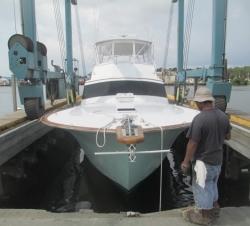
A comprehensive inspection when purchasing a new or used vessel. The survey inspects the current condition and overall operation. The survey covers structural integrity, electrical systems, the propulsion system, the fuel system, other machinery, navigation equipment, miscellaneous on-board systems, cosmetic appearance, electronics, and overall maintenance as well as an out-of-water inspection and a sea trial. A Condition and Valuation survey is typically required for most small pleasure craft, commercial & fishing vessels. This survey, will include our standard survey report describing the vessel, its condition, market value and replacement costs, recommendations as to standards compliance, and photographs. |
|
| Insurance Condition and Value Surveys This inspection is performed so that the insurance company can determine whether or not the vessel is an acceptable risk. They are interested in structural integrity and safety for its intended use. Most insurance companies require a survey on older boats. They will also want to know the vessel's fair market value. |
 |
| Appraisal Surveys This inspection is performed to gather enough information to justify or determine the fair market value of the vessel. This is normally needed for financing, estate settlements, donations and legal cases. |
 |
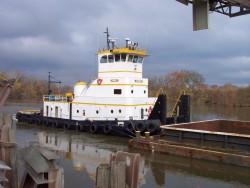
| On and Off Hire Surveys On Off Hire surveys are often undertaken on behalf of a client who is considering charting a vessel for commercial purposes although it maybe for any kind of a vessel including commercial or pleasure. The registration and all documentation associated with the vessel is examined and reported. All components of the vessel or items associated with the vessel including machinery, cargo handling gear, accommodations, holds and cargo storage areas including decks and hatches, navigational equipment, containers if any, and a measurement of the bunkers aboard are normally part of such a survey. |
 |
 Damage Claim Surveys
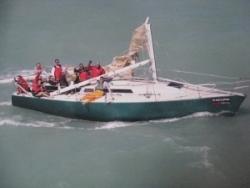
The Surveyor is the eyes and ears for the insurance company. The inspection of the vessel is to gather the facts when the vessel has been in an accident, involved in a peril, with an Allision or a Collision. Damage surveys are performed on all vessels from pleasure craft, yachts, fishing vessels as well as commercial vessels. We commence a Damage Survey by obtaining all of the particulars, to include a description of the vessel as well as the incident preferably in the form of a signed and witnessed statement. We perform a complete inspection of the damage and file field survey report. A preliminary report is filed on the extent of damage in which details of the facts, details of the damages, photographs of the damages as well as comments from owners as to the cause of the incident. Our services also are available to monitor repairs and audit invoices as requested.. |
|
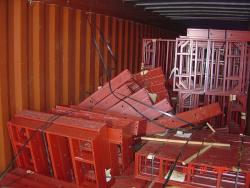
| Cargo Damage Surveys The primary reason for a Cargo Damage survey is to determine the reason & extent of the damage to the cargo. These types of surveys maybe completed on any type of cargo. Cargo damage surveys are generally commissioned by the carrier, insurers, receivers or shippers. Our report provides all details of the shipment and carriage. Where possible, we will identify the reason for the damage. |
 |
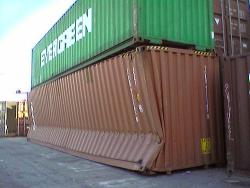
| Container Damage Surveys Container damage surveys will typically be accompanied by photographs. Repair estimates can be provided if required. With an emphasis in Port of Hampton Roads and North Carolina ports in the United States we also will undertake assignments on a worldwide basis. |
 |
| Thermal Imaging Frigate Marine Services provides Thermal Imaging Services to the marine, residential and commercial industries for non-destructive testing. By using infrared technology, detection of delamination, blistering, structural integrity, electrical, engine components and cooling systems problems in all sections of vessels can be isolated. The use of destructive testing required is minimizes the need to cut holes in an exploratory manner to determine the extent of damages or the condition of the hull. Click here for more on Thermal Imaging. |
 |
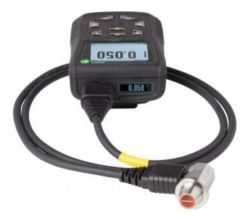
| Audio Gauging (Ultrasonic Thickness Inspection) Frigate Marine performs hull thickness gauging to Steel and Aluminum hulls. The Cygnus 6 PLUS ultrasonic thickness gauge also has capabilities to read solid laminate fiberglass. The hull plating is first laid out from stem to stern or in isolated areas in which hull thickness readings are required for plate replacement or for insurance surveys. Each requires the hull to be laid out indicating all of the frames, longitudinals, cofferdams, sumps and bilges, etc. using the yacht's drawings as reference and confirmed by visual inspection and soundings by percussion hammer blows. Depending on the size of the vessel or the location of the area inspected, readings are taken and recorded. At the time of completion, a grid is presented to the customer indicating any areas of concerns or relative to the condition of the hull. All measurements are recorded in millimeters (inches can be used if desired). These readings are compared with original plate thickness taken from vessels drawings. In the absence of drawings original thickness is obtained by readings taken locally from visually good plate. Audio gauge readings are approximate. The gauging is carried out in areas of known potential problem areas only. All areas of the vessel are not generally audio gauged unless specifically requested. Occasionally, some variations occur in the steel or aluminum plate itself due to the mill that rolled the plate and may vary by as much as .2540mm to .3810mm. Prior to commencement of audio gauge measurements (ultrasonic thickness inspection-UTI), a full visual inspection is carried out both externally and internally where accessible. Any signs of damage or previous repairs are photographed, measured and recorded. |
 |
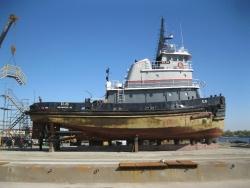
| P & I Surveys P & I surveys are carried out for the benefit of P & I clubs (Protection and Indemnity Clubs). They can be as general or specific as the need may require. They may include details of cargo damage, hull damage or full loss investigation. Complete details of the vessel its crew, cargo, loading procedures, unloading procedures, conditions of its hatches, weather, ships log and other particulars specific to the Club are included in the report. |
 |
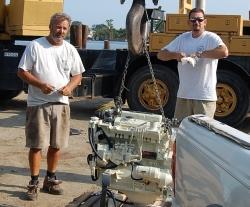
| Oil Analysis The use of a spectrograph analysis can determine the presence of water, fuel, and organic material(nonmetallic) material that may be the result of excessive oxidation or nitration. In areas where the motors are used a minimum hours per year, oil can become highly acidic and therefore corrosive. Two other types of testing are particle counting and ferrography. These test identify abnormal wear or identifies on coming engine failure. |
 |
| Barge Draft Surveys This survey involves inspecting the barge when empty and loaded to determine the amount of cargo and its condition that is placed on the barge |
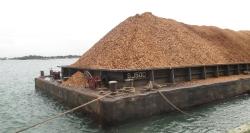 |
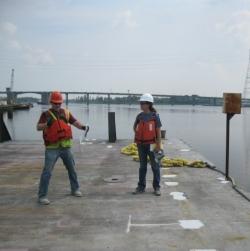
| Barge Surveys Barge Surveys are of interest to the buyer, shipper, broker and the insurer of cargo. They can consist of a pre-voyage inspection of the barge to insure it suitability of the voyage and to register it's condition. Subsequently the barge survey will be conducted to calculate the amount of cargo, and it's condition that is placed on the barge. If required it can be verified on arrival at the barge unload destination. There are two methods to a Draft Survey; the Displacement Method and Draft Tables. Both are methods utilized by our team. |
 |
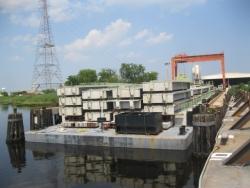
| Trip & Tow Surveys: A Trip and Tow Survey is sometimes referred to as Suitability for Tow Survey and Stow Survey. It identifies the vessel and cargo to be towed as well as their general condition. The survey provides detail on the towing vessel including design characteristics, propulsion system, and auxiliary equipment. The survey provides details about the Crew qualifications, Planed Towing Arrangements, Route Details and a Projected Weather Forecast. The report makes recommendations as to Tow and Weather Restrictions. It can include the Master's Agreement. |
 |
Fishing Vessel Surveys: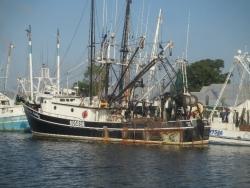 On behalf of Owners, Prospective Purchasers, Insurance Underwriters or other interested parties. These include condition and valuation surveys, and inspection and investigation of hull or engine casualties or damages.
On behalf of Owners and Insurance Underwriters, we conduct periodical inspections of boat safety management systems, verifying on a regular basis continued compliance with statutory requirements, also holding records of deviations found together with remedial action taken. The survey follows the US Coast Guards Vessel inspection guidelines as well as inspecting the vessel from stem to stern, checking for crew hazards, safety training procedures, checking machinery logs and gear handling equipment This report takes into account the age of the vessel, the maintenance records of the vessel and the fishing the vessel is permitted to dredge, trawl or fish. |
|
International Import & Export of Vessels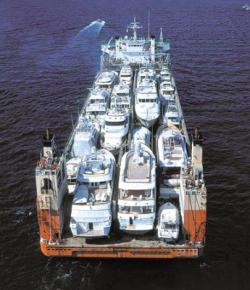 The pre-purchase survey should take into consideration that the vessel meets all the US manufacturing standards or Country of destination applicable standards.
The agreed selling price may vary based on exchange rates or the agreed pre-purchase price between the broker and seller. As a pre-purchaser of a vessels built in the US or Internationally, the purchaser should be aware of the following: Prior to shipping the vessel to the US or to a foreign country: Was the vessel built to meet the countries standards? What will the charges be to the freight forwarder? Who is responsible for preparation of the vessel for export, Who is transporting the vessel to the port and loading? Who is responsible for securing the load? Once the vessel is at the destination port, has all the paperwork, duties and fees been processed to in order to release the boat to import agent. Who will inspect the vessel prior to release? |
|
|
Copyright © 2009/2021 Frigate Marine Surveyors, Elizabeth City, North Carolina, USA, legriffin111@gmail.com Installed March 1, 2009, Last Revised June 18, 2021 - This site is hosted and maintained by Don Robertson |